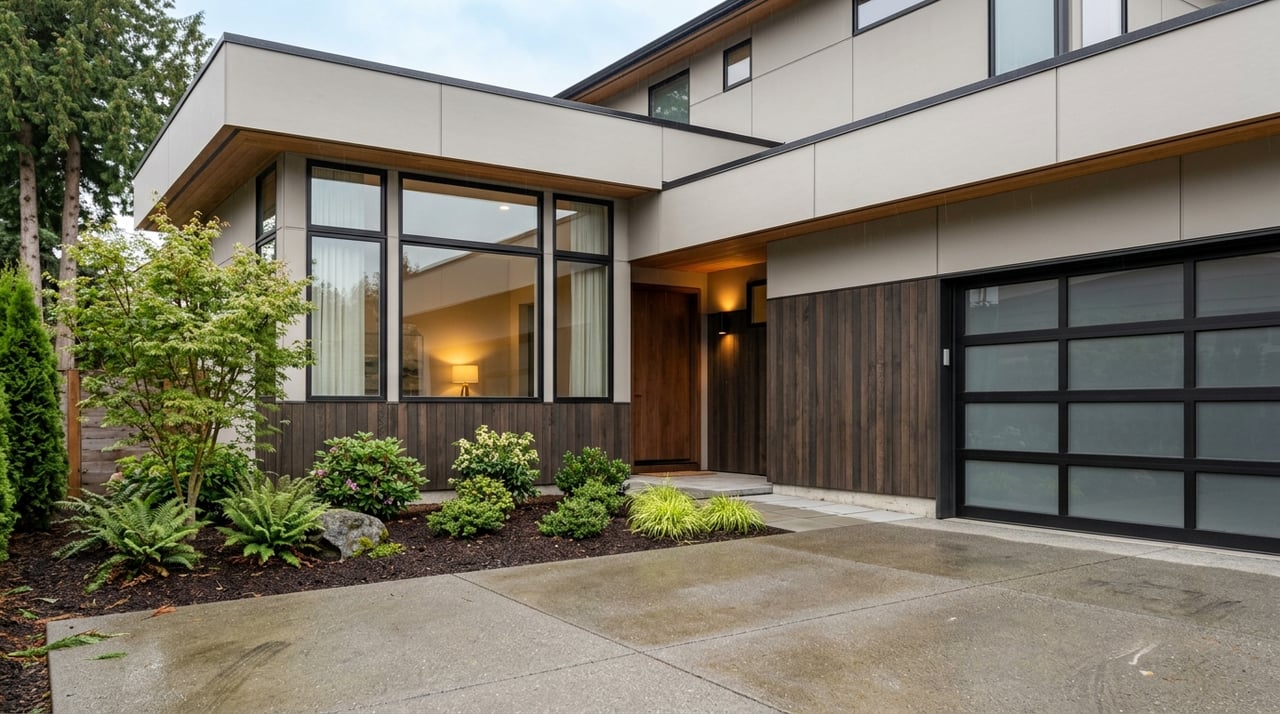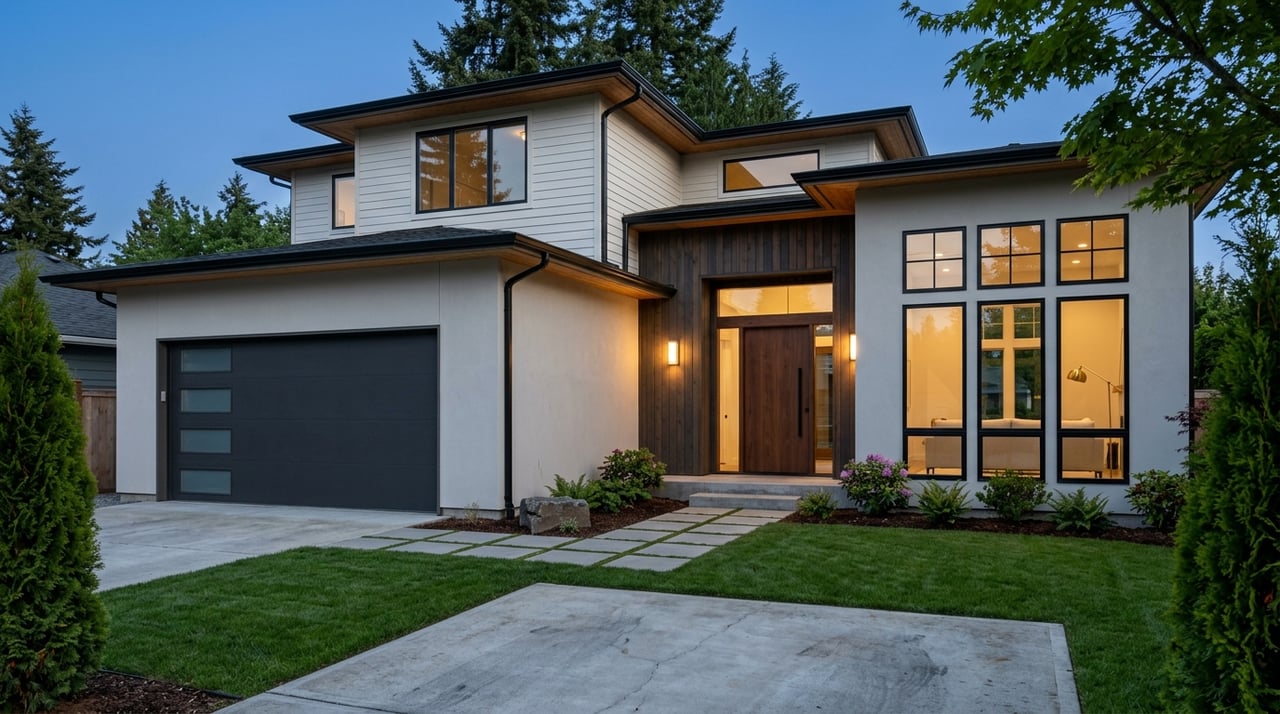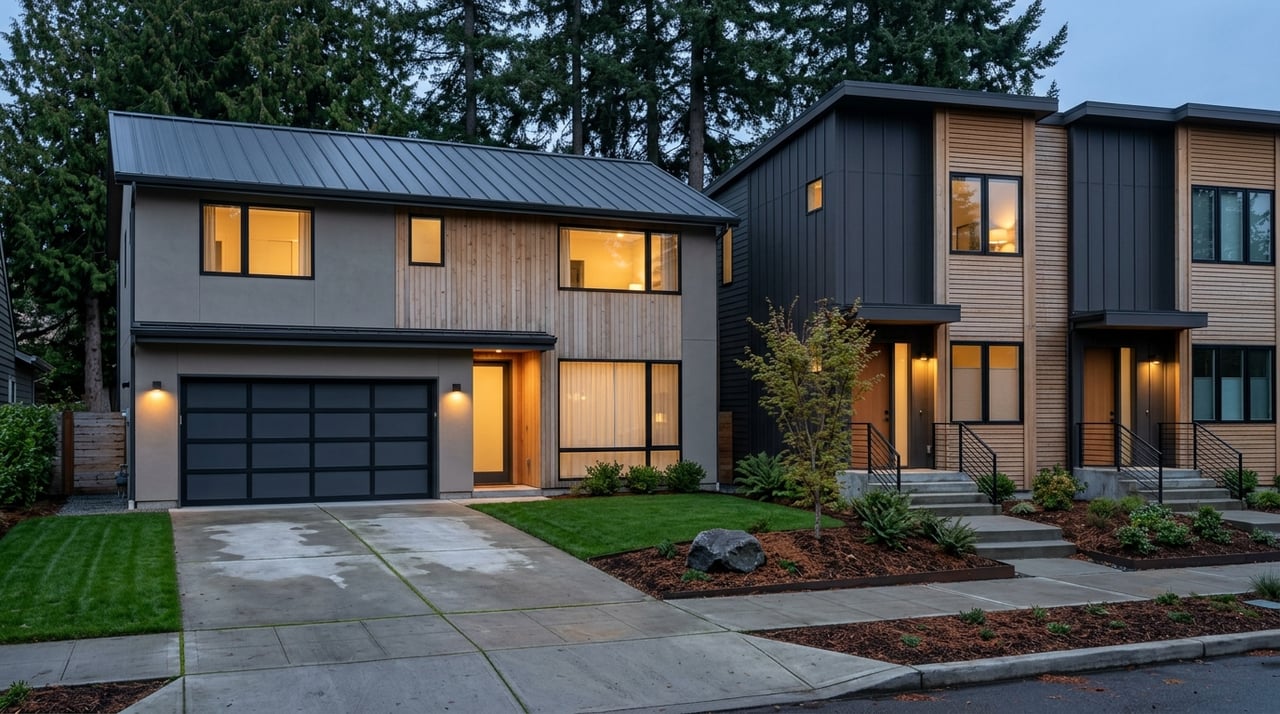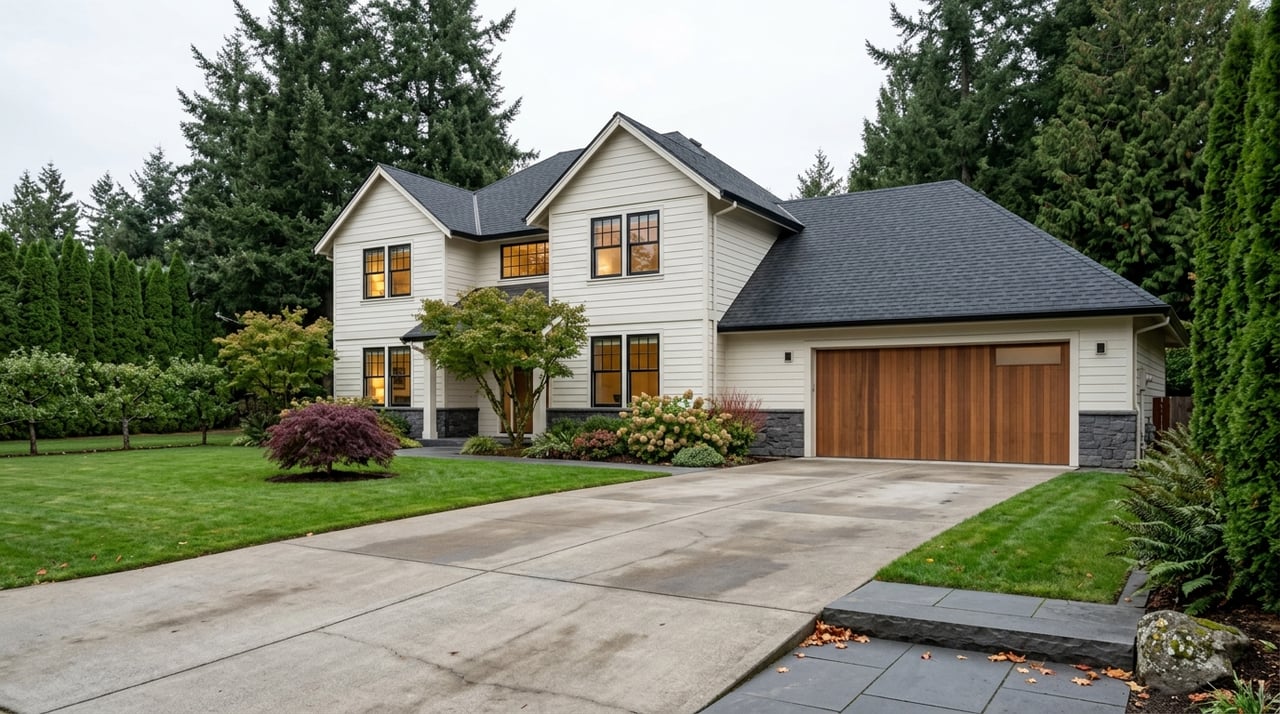
Want more space without moving too far from the Seattle region? If you are comparing Snohomish and Monroe, you are likely trying to balance square footage, lot size, home style, and commute realities all at once. The good news is that both cities can offer more breathing room than more urban areas, but they do it in different ways. Here is how to think through the choice so you can focus your search with confidence.
Snohomish vs. Monroe at a Glance
If your goal is simply “more space,” it helps to define what that means to you first. In Snohomish, more space often looks like older homes, established neighborhoods, mature landscaping, and standard residential lots in a compact small-city setting. In Monroe, more space more often means newer detached homes, a wider range of lot sizes, and a layout shaped by newer development and major highway access.
That difference matters because the two markets are not separated by a dramatic citywide price gap. Current Census data in the research report shows median owner-occupied home values at $683,900 in Snohomish and $668,400 in Monroe. In other words, your decision may come down less to price and more to the kind of space you want to live in every day.
Snohomish: Historic Character and Established Lots
Snohomish has a more historic and compact feel. According to the city’s 2024 housing element, the median year of construction is 1989, and a meaningful share of homes were built well before that. The city reports that 19% of housing was built before 1939, 22% from 1940 to 1969, 29% from 1970 to 1989, and 30% from 1990 onward.
That mix gives Snohomish a different personality than many newer suburban markets. You may find homes with more architectural variety, mature trees, and neighborhood patterns shaped over decades rather than built all at once. If you enjoy a sense of place and established streetscapes, that can be a major plus.
The city also reports that about 62% of its housing stock is detached single-family housing. For buyers looking for a traditional home setup, that keeps plenty of detached options in the mix while still reflecting a more varied housing profile overall.
What lot size looks like in Snohomish
If you picture “more space” as a larger yard, Snohomish often delivers that through standard residential lots rather than expansive in-city acreage. The city’s zoning FAQ says most residential properties have a minimum lot size of 7,200 square feet for a standard subdivision.
In practical terms, that often means enough room for outdoor living, gardening, or a bit more separation from neighbors, but not necessarily the broad parcel sizes some buyers imagine when they say they want land. The Historic District and other special districts also aim to protect historic scale and character, which helps preserve the city’s established feel.
Who Snohomish tends to fit best
Snohomish may be the better fit if you are drawn to:
- Older homes and architectural character
- Established neighborhoods with mature landscaping
- A compact downtown setting
- Standard-size residential lots
- A small-city environment with preserved historic elements
If your idea of space is tied to charm, setting, and neighborhood texture, Snohomish often stands out.
Monroe: Newer Homes and More Range
Monroe tells a different housing story. The city’s 2044 housing chapter says most housing units were built after 1990, and newer construction has been concentrated north of US-2. It also notes that the market remains predominantly one-unit, typically detached, residential homes.
That newer pattern can appeal to buyers who want more modern floor plans, more recently built homes, and neighborhoods that reflect later suburban growth. If you are hoping for a home that may require fewer updates or offers a layout that feels more contemporary, Monroe may deserve a close look.
Monroe’s affordable housing page also says about two-thirds of the city’s residential units are single-family homes. On top of that, the research report notes that roughly 70% of housing development since 2010 has been one-unit detached housing. That is a strong signal for buyers who want detached-home options in newer neighborhoods.
What lot size looks like in Monroe
Monroe offers a broader residential zoning range than Snohomish. The city’s zoning standards show minimum lot sizes ranging from 6,000 to 15,000 square feet, including UR 9,600 and SR 15,000 districts.
That does not mean every Monroe home sits on a large lot, but it does mean the city has more range built into its zoning framework. If you are trying to find a newer detached home with a bit more yard flexibility, Monroe may give you more choices within city limits.
The research also points out that buyers looking for bigger parcels often shift toward the city edge and nearby unincorporated areas. A recent annexation page helps explain that pattern, showing adjacent county land moving from Rural Residential 5 to Urban Residential 9,600.
Who Monroe tends to fit best
Monroe may be the better fit if you want:
- Newer detached homes
- A wider range of lot sizes
- Neighborhoods shaped by more recent development
- Stronger alignment with highway-based commuting
- Easier access to the US-2 corridor
If your version of space is more about newer construction and suburban layout, Monroe often rises to the top.
Commute and Access Matter More Than You Think
When buyers compare Snohomish and Monroe, commute patterns often become the tie-breaker. Monroe describes itself as about 45 minutes from Seattle and 30 minutes from Everett, located at the confluence of US-2, State Route 203, and State Route 522. Snohomish is positioned at the Highway 9 and Highway 2 nexus.
Census QuickFacts in the research report show mean travel time to work at 31.3 minutes in Monroe and 29.1 minutes in Snohomish. That is not a huge spread, but it supports the practical takeaway that Snohomish is slightly closer on average, while Monroe is more directly oriented around major highway access.
If you commute frequently, your daily route may matter as much as the house itself. A home that feels ideal on paper can feel less ideal if getting to work, activities, or regular appointments becomes more complicated than expected.
Schools and Boundary Checks
If school attendance boundaries are part of your search, it is smart to verify them by address before you make a final decision. Snohomish School District says it serves about 9,881 students across 128 square miles and includes three high schools, two middle schools, nine elementary schools, a preschool, and an alternative program.
Monroe School District says it spans about 82 square miles and lists Monroe High School as the only comprehensive high school, serving about 1,500 students. Both districts use address-based boundary locators, and both note that newer developments should confirm attendance boundaries by address.
This becomes especially important near city edges, on larger parcels, or in newer developments. If you are focusing on more space, there is a greater chance your search will include properties where district confirmation needs an extra look.
Budget: Similar Citywide, Different Feel
One of the most interesting parts of this comparison is how close the citywide budget signals are. The research report shows median owner-occupied housing values at $683,900 in Snohomish and $668,400 in Monroe. Median monthly owner costs with a mortgage are also close at $2,580 in Snohomish and $2,601 in Monroe.
That means many buyers are not choosing between these cities because one is dramatically less expensive. Instead, they are often choosing between two different housing experiences at a relatively similar citywide value point.
There is a difference in owner-occupancy, though. Monroe’s owner-occupied housing rate is 71.5%, compared with 55.4% in Snohomish. That points to a different tenure mix, with Monroe being more owner-occupied overall and Snohomish having a more mixed housing profile.
If You Want Acreage, Expand the Map
This is one of the biggest takeaways for buyers who say they want “more space.” If what you really mean is acreage, outbuildings, or hobby-farm potential, the best search area is often not the city core of Snohomish or Monroe.
Based on the zoning, boundary, and annexation information in the research report, those property types are more likely to be found in surrounding unincorporated areas. Inside city limits, both markets tend to offer more compact residential lot patterns than true rural parcels.
That does not mean your goals are unrealistic. It just means your search may need to widen beyond downtown-adjacent neighborhoods and standard in-city inventory.
How to Choose the Right Fit
If you are still deciding, start by ranking your top priorities. Try asking yourself:
- Do you prefer older character or newer construction?
- Do you want a compact small-city feel or a more highway-oriented layout?
- Is a standard yard enough, or do you want a larger parcel?
- How much does commute direction matter?
- Are you searching mostly for home style, lot size, or long-term lifestyle fit?
The clearer you get on those answers, the easier this comparison becomes. Snohomish and Monroe can both offer more space, but they serve different versions of that goal.
At FIRST AND MAIN, we believe the right move is about more than square footage. It is about finding the place that fits how you want to live, move, and grow in Snohomish County. If you are weighing Snohomish, Monroe, or nearby acreage options, connect with FIRST AND MAIN for local guidance tailored to your next chapter.
FAQs
How do Snohomish and Monroe compare for lot sizes?
- Snohomish typically offers standard residential lots, with most residential properties having a 7,200-square-foot minimum lot size in a standard subdivision, while Monroe has zoning ranges from 6,000 to 15,000 square feet.
Which city has newer homes, Snohomish or Monroe?
- Monroe generally has newer housing stock, with most housing units built after 1990, while Snohomish has a broader mix that includes many older homes and a median construction year of 1989.
Is Snohomish or Monroe better for commuting?
- Snohomish has a slightly shorter mean travel time to work on current Census data, while Monroe is more directly tied to the US-2, SR 203, and SR 522 corridor.
Are home prices very different in Snohomish and Monroe?
- Citywide median owner-occupied home values are relatively close in the research report, at $683,900 in Snohomish and $668,400 in Monroe.
Should you search outside city limits for acreage near Snohomish or Monroe?
- Yes, if your goal is acreage or hobby-farm potential, the research suggests you will often find the most relevant options in surrounding unincorporated areas rather than in the city cores.