If you own waterfront on Lake Stevens and you're deciding whether to list this fall or wait until spring, ask yourself something more specific than what your house is worth. Ask what you actually know about the dock, the bulkhead, and the septic system sitting between your living room and a buyer's inspection period. Most sellers treat those three as settled facts baked into the price. Right now, on Lake Stevens, they sit in three different regulatory positions, and only one of them comes with an actual deadline.
That's the part worth understanding before you sign a listing agreement, not after an inspector or a city planner brings it up for you.
The gap that's about to close
Unlike some King County jurisdictions, where properties with a septic system must have the system inspected before the county will process a title transfer, Snohomish County has not historically required a septic inspection at the point of sale. If your Lake Stevens home has run on a private on-site sewage system for years without incident, nobody at the county has been checking on it at closing.
That's changing on a fixed date. The Washington State Department of Health has set February 1, 2027 as the start of a statewide requirement for on-site sewage system inspections at property transfer, and Snohomish County Health is already preparing local procedures to administer it. If you list this fall or this winter, you'll be selling in the last stretch before that inspection becomes a mandatory line item instead of a smart precaution. Wait until spring and the rule will already be in effect.
The practical difference matters. Right now, getting your system pumped and documented is a maintenance decision on your own schedule. A typical septic pumping in Lake Stevens runs somewhere between roughly $250 and $1,000 depending on tank size and access, and you can book it whenever it's convenient. Once the statewide rule takes effect, that same inspection becomes something every buyer's lender and every county file expects, on a timeline set by whoever schedules it, not by you. Sellers who get ahead of it now are making a choice. Sellers who wait may not have one.
The rules already being enforced on your dock
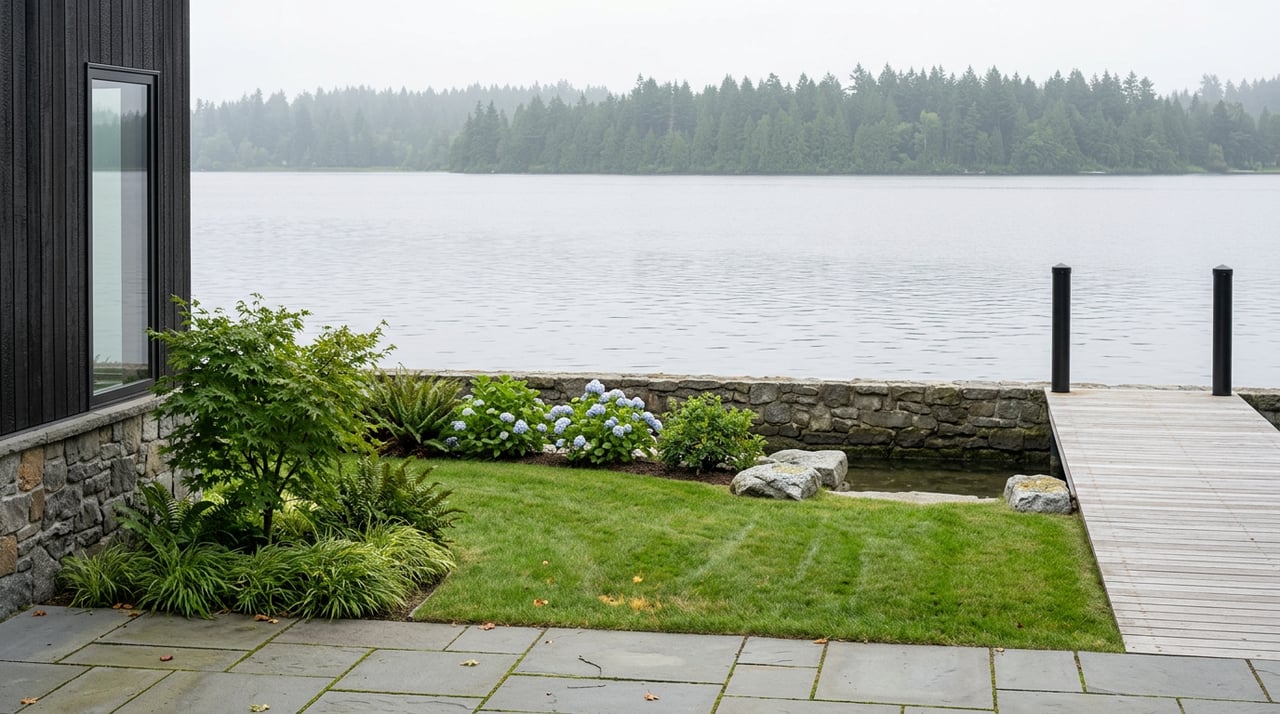
While the septic requirement is still on approach, the city's shoreline rules are active today, and Lake Stevens is enforcing them. The Shoreline Master Program covers shorelands within 200 feet of the ordinary high-water mark, which on most Lake Stevens waterfront lots means your dock, your bulkhead, and a good portion of your side and rear yard fall under city jurisdiction whether you've thought about it that way or not.
A few specifics that catch owners off guard:
- The city generally requires docks and piers to sit at least 10 feet from side property lines, with a possible 5-foot exception when 10 feet isn't feasible on a narrow lot.
- Single-family residences are limited to one pier or dock.
- A new dock valued over $10,000 doesn't just need a building permit. It can trigger shoreline substantial development review, a State Environmental Policy Act determination, a floodplain development permit, and hydraulic project approval, on top of the building permit itself. That's five separate approvals stacked on one project.
- Even placing a buoy or a marker on the lake requires a permit under the city's water recreation policy.
None of that is theoretical. A Lake Stevens waterfront property owner recently ran into a Stop Work Order after starting bulkhead replacement work without confirming permit status first, according to a State Environmental Policy Act filing tied to that case. The resolution required a retroactive permit application, a geotechnical report calling for two rockery walls to replace the previous concrete structure, and a commitment to revegetate the shoreline area as mitigation for the additional work. That's the kind of delay and added scope a seller wants to know about before a buyer's inspector finds it, not after mutual acceptance.
What "repair" actually means for a bulkhead
This is the distinction that trips up longtime owners the most. A bulkhead repair, in the city's eyes, cannot be used to create additional dry land. If the work you're planning goes beyond straightforward repair and materially alters the structure, the city can treat it as new shoreline stabilization rather than maintenance, which pulls in the full review stack rather than a simpler repair permit.
For an older bulkhead that's never been touched since the home was built, that distinction matters even if you have no plans to do the work yourself. A buyer's inspector or their own contractor may raise it during due diligence, and if the answer is "we don't have a permit on file," that becomes a negotiation point you didn't see coming.
The pre-listing order of operations
Given where the septic timeline and the shoreline enforcement stand right now, the sequence that protects you looks like this:
- Pull whatever permit history exists for your dock and bulkhead from city files before you list, so the first time anyone learns what's actually authorized isn't during the buyer's inspection period.
- Schedule a septic pumping and get documentation now, while it's still your choice of provider and timing rather than a statewide compliance deadline dictating both.
- Confirm your FEMA flood zone status early. If the home sits in a Special Flood Hazard Area, federally backed lenders will require flood insurance, and it's better for you to know that before an appraiser flags it mid-transaction.
- Complete your seller disclosure statement under Washington's RCW 64.06 honestly and early. Buyers get three business days to rescind after receiving it, and disclosing dock, bulkhead, or septic history late in the process can unwind a deal that already had mutual acceptance.
None of these steps require guessing. They require someone pulling the actual file before the buyer's side does.
Where ELEVATE fits
Here's where the timing question gets easier to answer. If the septic inspection turns up a system near the end of its life, or the bulkhead review reclassifies your repair as new construction, those are real costs that show up at exactly the wrong moment, right when you're trying to get a home ready to list rather than trying to finance a project.
That's the situation ELEVATE was built for. It's First And Main's pay-at-close prep financing, which means septic work, dock permitting costs, or bulkhead repairs identified during pre-listing prep don't require writing a check before you have a buyer. The cost comes out at closing, once the property has actually sold.
For waterfront sellers on Lake Stevens, that structure matters more than it does for a typical listing, because the items most likely to surface here (a septic system due for review, a dock that needs its paperwork sorted, a bulkhead with no permit on file) tend to be expensive precisely because they involve water, county jurisdiction, and state environmental review all at once.
A few questions worth asking directly
Does the 2027 septic rule apply if my home is already on sewer? The requirement targets on-site sewage systems specifically. A home fully connected to municipal sewer isn't part of that inspection mandate, though your seller disclosure statement will still ask whether the property ever used a septic system, so keep that history on hand regardless.
Can I get a permit for a bulkhead that's decades old with no record on file? Yes, and the retroactive permit process demonstrated in recent city cases shows it's a real path, often paired with mitigation like shoreline revegetation. It adds time and sometimes cost, which is exactly why sorting it out before listing beats discovering it during a buyer's due diligence period.
Do I need a permit just to maintain my existing dock? Routine maintenance that doesn't expand the footprint usually clears a lower bar than new construction, but even something as simple as replacing decking can require a land-use permit under city rules. Confirm before you start any work, even work that feels minor.
If you're weighing a Lake Stevens waterfront listing for this fall or this winter, the smartest first step isn't a pricing conversation. It's pulling your permit history and your septic records before anyone else asks to see them. First And Main's team knows the shoreline rules and the county timeline well enough to walk that file with you before you're under contract. Book an appointment and let's look at what's actually on record for your property.