If you are wondering whether Edmonds is just a pretty waterfront stop or a place that truly works in every season, the short answer is yes, it can be a very livable year-round home base. Many buyers are drawn in by the water views and walkable downtown, but what keeps people here is the mix of daily convenience, outdoor access, and a steady calendar of community life. If you are thinking about a move, this guide will help you picture what living in Edmonds year round really feels like. Let’s dive in.
Edmonds at a Glance
Edmonds is a waterfront city in Snohomish County with an estimated population of 42,871 as of July 1, 2024, according to U.S. Census QuickFacts. The same data shows a 70.9% owner-occupied housing rate, a median household income of $122,449, and a median owner-occupied home value of $890,100.
Those numbers point to a city that feels more established than transitional. Edmonds also has an older age profile than many nearby suburbs, with 23.6% of residents age 65 and over and 16.2% under 18, which can shape the pace of everyday life in a way that feels steady rather than rushed.
Daily Life in Edmonds
One of Edmonds’ biggest strengths is how much you can do close to home. The city describes downtown as compact and walkable, and the Edmonds Creative District notes that the area is about one mile in diameter.
That compact layout matters in daily life. You can picture grabbing coffee, running errands, meeting friends, walking near the waterfront, and heading to an event without spending your whole day in the car. For many people, that is a big part of Edmonds’ appeal.
The city also highlights easy regional access by ferry, commuter rail, Amtrak, bus, automobile, and bicycle. So while Edmonds has a smaller-city feel, it is still closely tied to the larger Seattle-area job and activity centers.
What Each Season Feels Like
Edmonds has the classic Puget Sound pattern: mild temperatures, wetter fall and winter, and drier summers. Nearby NOAA 1991 to 2020 normals show average daily highs of 47.0°F in January and 77.4°F in July, with about 5.78 inches of precipitation in January compared with 0.60 inches in July, based on NOAA climate normals.
That weather pattern gives Edmonds a real seasonal rhythm, but not an extreme one. You are not dealing with long stretches of severe heat or deep winter conditions. Instead, your routines shift with the light, the rain, and the local event calendar.
Spring in Edmonds
Spring tends to feel like a reset. Days get longer, outdoor walks become part of the routine again, and the city’s shoreline and parks start to pull people outside more often.
This is a good time of year to enjoy the natural side of Edmonds. The city has 47 park and open-space sites, 230 acres of parks and open space, and one mile of shoreline, which gives you plenty of options for low-key outdoor time close to home.
Summer in Edmonds
Summer is when Edmonds looks exactly how many people imagine it would. The drier weather, beach parks, and walkable downtown create an easy rhythm for waterfront strolls, outdoor gatherings, and local events.
The city’s waterfront includes Brackett’s Landing North and South, Marina Beach Park, and Olympic Beach. In practical terms, that means summer does not have to be overplanned. You can fit in an evening by the water, a walk downtown, or a simple park stop without turning it into a full-day trip.
Fall in Edmonds
Fall brings cooler temperatures and a return to that cozy Pacific Northwest feel. This is often when Edmonds feels especially balanced, because the city still offers plenty to do while settling into a slower seasonal pace.
For many residents, fall is when the arts and cultural side of Edmonds stands out more. The city highlights venues and organizations such as Edmonds Center for the Arts, Driftwood Players, Olympic Ballet, Cascadia Art Museum, Graphite Arts Center, and Write on the Sound through the Creative District.
Winter in Edmonds
Winter is the season that tells you whether a place is truly livable year round. In Edmonds, the answer is yes. The weather is wetter and darker, but the town does not shut down into a seasonal lull.
The city points to year-round programming and events including the Holiday Market, Cabin Fever Market, Lunar New Year, Juneteenth, Pride, Jazz Walk, Porchfest Edmonds, Sketcher Fest, and a plein air festival through its Creative District and city programming. That steady mix helps Edmonds feel active beyond the summer months.
Outdoor Living All Year
If you like the idea of everyday access to nature, Edmonds delivers more than many small cities its size. The parks system includes shoreline, beach parks, open space, and the marsh, which creates a lifestyle where getting outside can stay simple and local.
A standout feature is Edmonds Marsh. The city says the marsh can host up to 90 bird species over the course of a year, according to its parks and greenspaces information. Even if you are not an avid birder, that speaks to the kind of year-round natural setting that adds texture to daily life.
This matters in winter just as much as summer. In Edmonds, outdoor living is not only about perfect beach weather. It can also mean a bundled-up shoreline walk, a quick stop at a park, or spending time near the water when the skies are gray and the town feels quiet.
Arts, Events, and Community Rhythm
Some waterfront communities can feel seasonal, busy in summer and sleepy the rest of the year. Edmonds appears to avoid that pattern because it has a stronger year-round cultural framework.
The Edmonds Creative District is a big part of that identity. The city emphasizes arts, culture, food and beverage, public gathering spaces, historic structures, and waterfront access, which gives the downtown area a broader role than just shopping or dining.
For you as a resident, that can mean more variety in your weekly routine. Instead of relying only on nice weather, the city offers built-in reasons to stay engaged through performances, exhibits, festivals, and seasonal markets.
Getting Around Edmonds
One thing that sets Edmonds apart from many suburban communities is the way transportation shapes daily life. It is not only about driving. Edmonds has a mix of local walkability and regional transit access that can make routines feel more flexible.
Edmonds Station is served by Sound Transit’s N Line and Amtrak Cascades. Sound Transit also notes that its Rail Plus program allows ORCA monthly-pass riders to use four weekday Amtrak Cascades trains between Seattle, Edmonds, and Everett at no extra cost.
The ferry also plays a practical role, not just a scenic one. The city includes Washington State Ferries as part of its access network, which contributes to a different feel than a suburb that depends almost entirely on freeway driving.
That said, Edmonds is still part of the broader metro region. Census QuickFacts lists the mean travel time to work at 26.6 minutes, which gives useful context for buyers weighing the tradeoff between waterfront lifestyle and commute practicality.
Is Edmonds Walkable?
In the areas around downtown, Edmonds has a strong case for everyday walkability. The city’s own materials consistently emphasize a compact downtown core and a one-mile-diameter Creative District.
That does not mean every home in Edmonds is walkable to the same degree. Like most cities, your experience depends on where you live. But if you value the ability to be near shops, waterfront areas, transit, and cultural venues, Edmonds offers that in a way many larger suburban areas do not.
Housing Costs and Home Types
Lifestyle is a big draw in Edmonds, but it comes with a higher price point. According to Redfin’s Edmonds housing market data, the median sale price was $1,139,000 in March 2026, homes received about two offers on average, and typical market time was around 10 days.
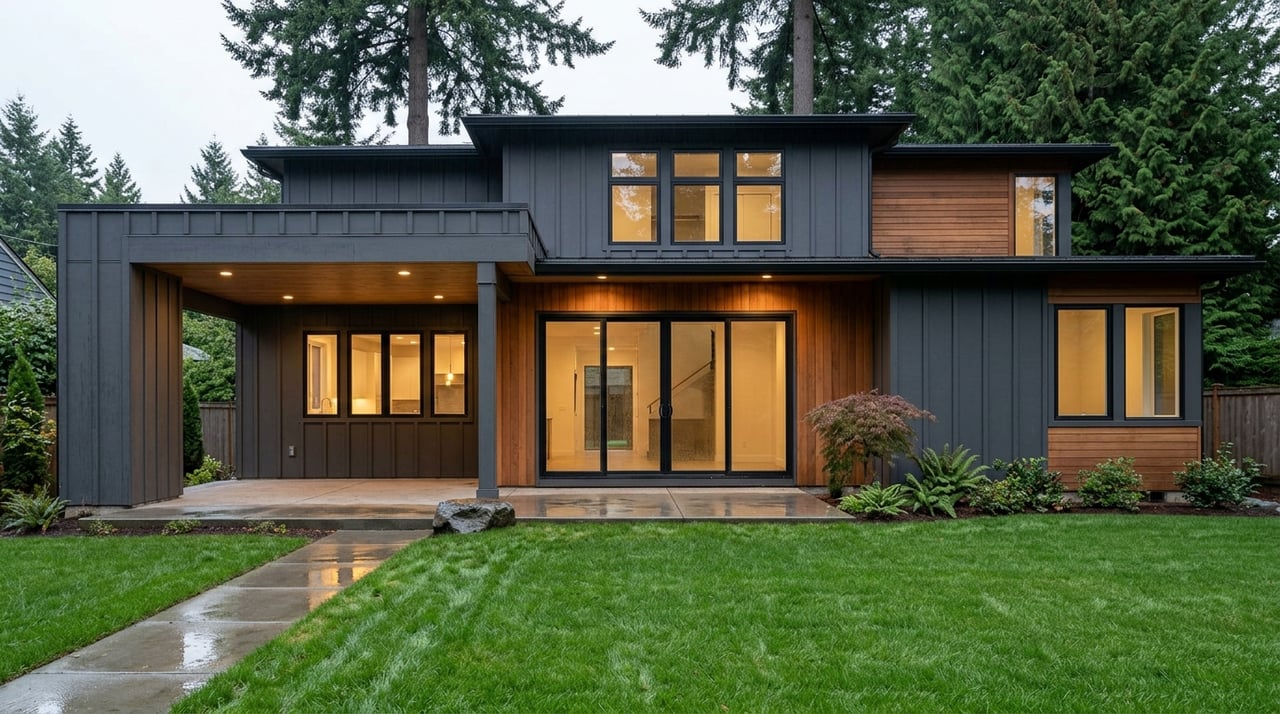
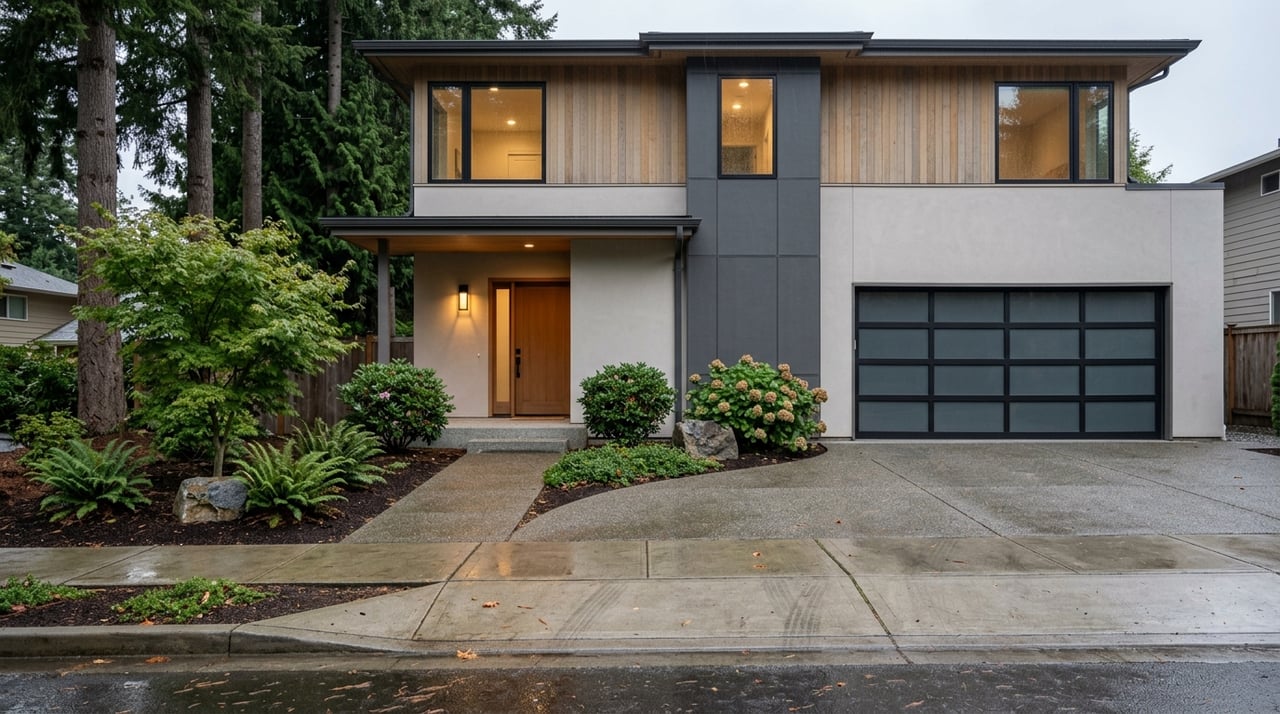
That pricing places Edmonds firmly in the competitive category for many buyers. At the same time, the market includes a range of home types, from condos and townhomes to detached homes and upper-end view or waterfront properties.
The practical takeaway is that your budget can shape not only what you buy, but how you experience Edmonds. Buyers looking for lower-maintenance options may focus on condos or townhomes, while others may prioritize detached homes or premium locations closer to downtown or the water.
Who Edmonds Often Appeals To
Edmonds tends to fit buyers who want more than just a house. It often appeals to people looking for a place with a strong sense of identity, convenient daily routines, and easier access to both outdoor spaces and regional transportation.
It can be especially appealing if you want:
- A waterfront setting that still feels practical for everyday life
- A compact, walkable downtown experience
- Access to arts, events, and community gathering spaces
- Multiple transportation options, including rail and ferry access
- A city that stays active beyond the summer season
The biggest tradeoff is usually cost. Edmonds offers a lot in terms of lifestyle and location, but buyers should go in with clear expectations about price and competition.
Final Thoughts on Living in Edmonds
Living in Edmonds year round is less about one headline feature and more about how the pieces work together. You have the waterfront, the parks, the compact downtown, the arts scene, and the regional transit connections all layered into one small city.
That combination is what gives Edmonds its staying power. If you are looking for a place that feels scenic in summer but still functional and engaging in November, January, and April, Edmonds stands out in a very real way.
If you are considering a move to Edmonds or preparing to sell in Snohomish County, FIRST AND MAIN can help you navigate the market with local insight and personalized guidance.
FAQs
Is Edmonds, WA a good place to live year round?
- Yes. Edmonds offers year-round appeal through its walkable downtown, waterfront access, parks, arts venues, and seasonal events, rather than feeling like a summer-only destination.
Is downtown Edmonds walkable for daily life?
- Yes. The city describes downtown and the Creative District as compact and walkable, with the district measuring about one mile in diameter.
What is the weather like in Edmonds throughout the year?
- Edmonds follows a mild Puget Sound pattern with wetter fall and winter months, drier summers, average January highs around 47.0°F, and average July highs around 77.4°F.
How do people commute from Edmonds to Seattle or Everett?
- Commuting options include driving, Community Transit buses, Sound Transit’s N Line, Amtrak Cascades, and the Edmonds ferry connection, with added flexibility through Sound Transit’s Rail Plus program.
What kinds of homes can you buy in Edmonds, WA?
- Buyers can find condos, townhomes, single-family homes, and higher-end view or waterfront properties, with pricing that is generally high by regional standards.
Is Edmonds an expensive housing market?
- Yes. Redfin reported a March 2026 median sale price of $1,139,000 for Edmonds, which reflects a relatively competitive and higher-cost market.