If you want a place where weekend wine tasting, weekday trail walks, and everyday convenience can all fit into one routine, Woodinville deserves a close look. For many buyers, the appeal is not just the tourism reputation. It is the way the city blends a green, residential feel with local amenities that make daily life more enjoyable. In this guide, you’ll get a clear picture of what Woodinville living actually looks like, from wineries and parks to housing and community rhythm. Let’s dive in.
Why Woodinville Stands Out
Woodinville is a small but growing city in northwestern King County with an estimated 13,942 residents in 2024. It sits about 30 minutes north of Seattle, which gives you access to a major job center while keeping a more relaxed, local feel at home.
The city is widely known for wine country, but that is only part of the story. Woodinville also has a strong residential identity, steady growth, and a community setting shaped by trees, parks, and a mix of housing options. For buyers looking at the north Eastside, that combination can feel especially appealing.
QuickFacts data also helps explain the market profile. Woodinville shows a median household income of $158,723, a bachelor’s-degree-or-higher rate of 70.7%, and a median owner-occupied home value of $1,032,900. Those numbers point to a higher-cost market, but also one where many buyers are drawn by long-term lifestyle value.
Wine Country Is Part of Daily Life
Woodinville Wine Country is not limited to special occasions. According to the Woodinville Wine Country Association, the city is home to more than 130 wineries and tasting rooms, and Visit Woodinville organizes them into four districts: Downtown, Hollywood, Warehouse, and West Valley.
That district setup matters because it makes the wine scene feel woven into everyday life. You can picture a casual evening tasting, a dinner close to home, or a simple plan for hosting visitors without needing a major itinerary. In Woodinville, wine country often functions like a local amenity, not just a tourist draw.
The Warehouse District shows this especially well. Visit Woodinville highlights its concentration of boutique winemakers, nanobrewers, and eateries, while city zoning supports wineries, restaurants, lodging, and related uses. For residents, that means more nearby options for social time and low-key outings.
The Four Wine Districts
Each district adds something a little different to the local experience:
- Downtown brings together walkable businesses and day-to-day convenience.
- Hollywood is one of the better-known wine areas and helps define the city’s public identity.
- Warehouse offers a dense mix of tasting rooms, brewers, and food spots.
- West Valley adds to the broader spread of wine-country destinations across the city.
If you value a lifestyle where local outings are easy and close to home, this district structure is a meaningful part of Woodinville’s appeal.
Trails and Parks Shape the Routine
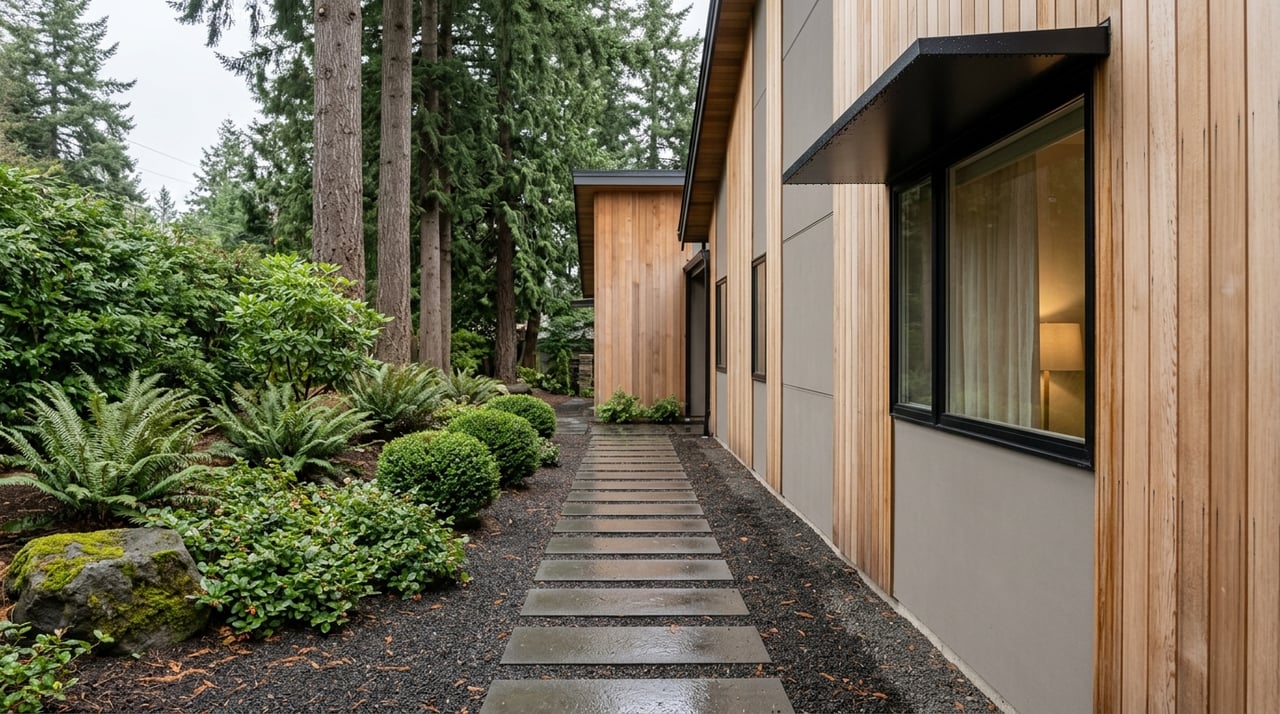
Woodinville’s natural setting is not just a backdrop. It plays a real role in how the city feels day to day. The city says trees are central to quality of life, and it has set a tree-canopy goal of 40% or more. Woodinville reported a 45% canopy in 2017 and notes 25 years of Tree City USA recognition.
That tree cover helps support the greener, quieter atmosphere many buyers are hoping to find. It also gives the city a more grounded feel than you might expect from a place best known for tasting rooms and tourism.
Woodinville’s park system is another important piece of local life. The city has three community parks, five neighborhood parks, the Woodinville Sports Fields, and more than 130 acres of open space and environmental protection areas.
Among the city’s most popular parks are DeYoung Park, Wilmot Gateway Park, and Rotary Community Park. These spaces help create easy options for getting outside, meeting friends, or simply breaking up the day with a walk.
A Strong Walking and Trail Network
For a city of its size, Woodinville has an impressive pedestrian network. The city reports 35 miles of sidewalks and trails along with more than 650 pedestrian crosswalks.
That infrastructure can make a big difference in how connected the city feels. If you enjoy walking, biking, or choosing neighborhoods with access to outdoor movement, Woodinville offers more built-in connectivity than many buyers expect.
Recent projects also show that access is still improving. Wood Trails completed a new segment in January 2025, connecting the Warehouse District with West Wellington and adding about a mile of soft-surface forest hiking trails.
The city’s SR 202 trestle replacement and 133rd Avenue projects are also designed to improve the downtown grid and connect Eastrail to the Sammamish River Trail and the new 133rd Avenue connector. For residents, that means local mobility is not standing still. It is getting stronger.
Community Life Beyond the Visitor Experience
One of the biggest surprises for some buyers is how much Woodinville functions as a real everyday community, not just a destination. The parks, trail network, and residential areas help balance the more public-facing wine identity.
Northshore School District serves Woodinville along with Bothell, Kenmore, and nearby unincorporated areas, with 34 schools and about 22,000 students districtwide. Within city limits, Woodinville High School serves roughly 1,800 students and notes that its athletic fields and gym are used by the community on evenings and weekends.
That detail matters because it shows how civic spaces can support daily life beyond school hours. It reflects a pattern you often see in places with strong community routines, where public facilities are part of the broader local fabric.
Housing Options in Woodinville
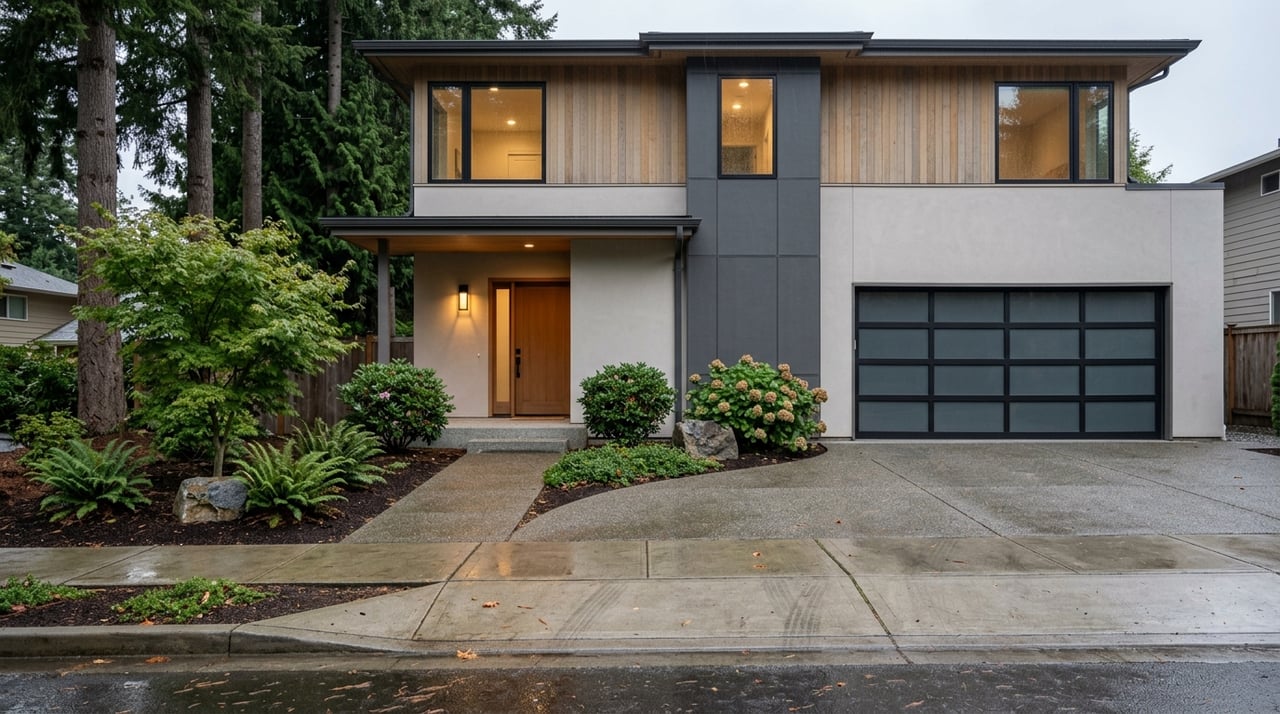
Woodinville’s housing mix is broader than some buyers assume, though single-family homes still play the leading role. The city profile says detached single-family homes make up about 55% of housing stock, followed by multifamily at nearly 39%. Attached single-family housing accounts for about 6%, while duplex and two-family housing make up less than 1%.
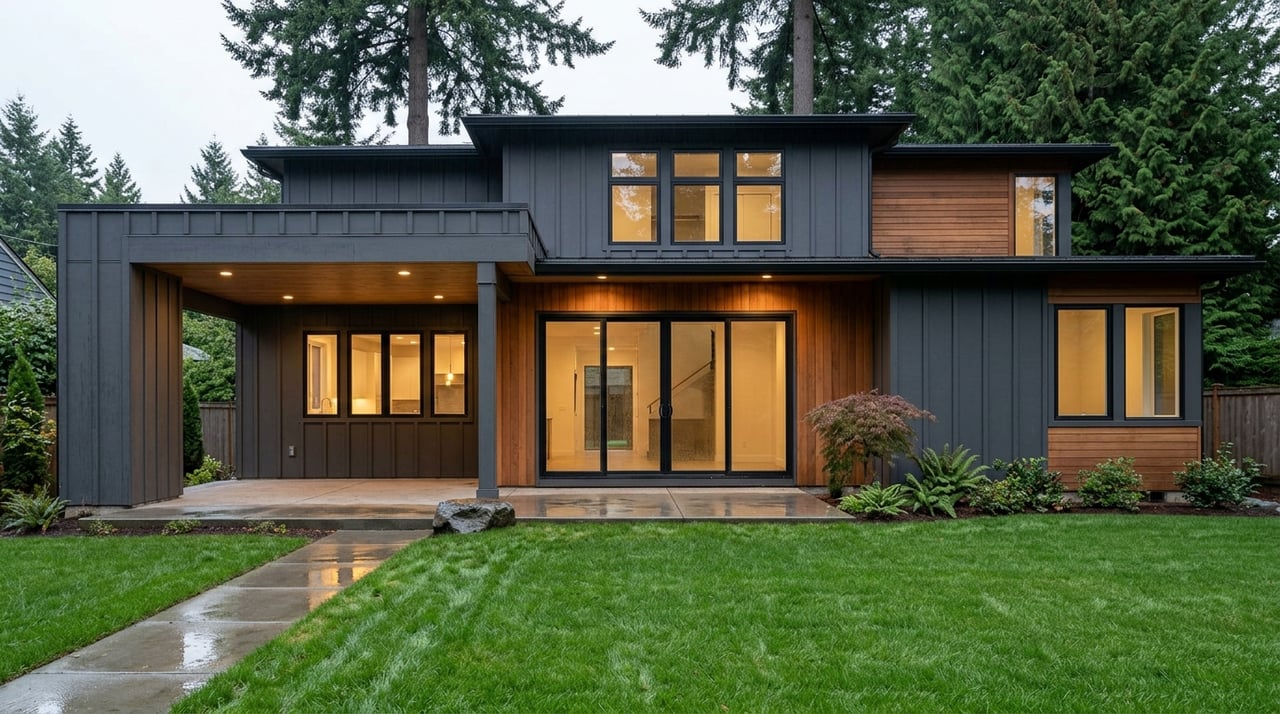
For buyers, that means you can find more than one path into the market. Some areas lean more toward traditional neighborhood housing, while others offer denser living patterns closer to mixed-use and commercial zones.
QuickFacts adds more context on cost. Woodinville has a 59.1% owner-occupied rate, a median gross rent of $2,352, and a median monthly mortgage cost of $3,749. This is clearly a higher-priced market, so it tends to fit buyers who are comfortable paying more for location, amenities, and lifestyle.
Where Different Buyers May Fit
The city’s planning profile describes several housing settings, including low-density woodland neighborhoods at the edges, moderate-density detached and attached areas, and higher-density mixed-use districts near transit and commercial areas.
That range can support different goals:
- Buyers seeking more privacy may prefer lower-density residential areas.
- Move-up buyers may focus on larger single-family homes in established neighborhoods.
- Buyers who want more walkability may look near mixed-use districts and transit-oriented areas.
- Those looking for lower-maintenance living may find value in townhomes or multifamily options.
Eastrail Flats also signals where Woodinville is headed. The project is planned to include 207 apartments, 63 townhomes, 25 affordable units, retail, and an onsite preschool. That kind of development adds variety for buyers who want a more connected, mixed-use living experience.
Who Woodinville Often Appeals To
Based on the city’s mix of amenities, Woodinville often stands out for lifestyle buyers who want more than just square footage. You may find it especially attractive if you want a place that feels green and established, with dining and recreation built into your routine.
It can also be a strong fit if you want a north Eastside location with both residential calm and a recognizable local identity. The wineries, trails, and community spaces all contribute to that balance.
At the same time, it helps to be realistic about tradeoffs. Home values and housing costs are higher than average, so many buyers are making a conscious choice to pay for access to Woodinville’s character, convenience, and amenities.
What To Consider Before You Buy
If Woodinville is on your shortlist, it helps to think beyond the headline lifestyle. Consider how you want to live week to week, not just what sounds appealing on paper.
A few practical questions can help:
- Do you want to be closer to wine districts and mixed-use areas, or in a quieter residential setting?
- How important are trail access, parks, and walkability in your daily routine?
- Are you looking for a traditional single-family home, or would a townhome or multifamily option fit your goals better?
- Does the price point align with the value you place on Woodinville’s setting and amenities?
These are the kinds of details that shape whether a home feels like the right fit long after move-in day.
If you are thinking about buying or selling in Woodinville, working with a local brokerage that understands both lifestyle and property positioning can make a real difference. FIRST AND MAIN offers high-touch, community-focused guidance for Eastside clients who want a more thoughtful real estate experience.
FAQs
What is daily life in Woodinville like for residents?
- Daily life in Woodinville often blends residential quiet with easy access to wineries, parks, trails, and local gathering spots, giving you both neighborhood comfort and built-in lifestyle amenities.
How many wineries and tasting rooms are in Woodinville?
- The Woodinville Wine Country Association says Woodinville is home to more than 130 wineries and tasting rooms across the Downtown, Hollywood, Warehouse, and West Valley districts.
What parks and trails does Woodinville offer?
- The city says Woodinville has three community parks, five neighborhood parks, more than 130 acres of open space, and 35 miles of sidewalks and trails, plus recent trail expansions like the Wood Trails segment completed in January 2025.
What types of homes are common in Woodinville?
- Detached single-family homes are the largest housing type in Woodinville at about 55% of stock, with multifamily housing making up nearly 39% and attached single-family homes about 6%.
Is Woodinville a higher-cost housing market?
- Yes. QuickFacts reports a median owner-occupied home value of $1,032,900, which places Woodinville in a higher-priced market compared with many other communities.
What school district serves Woodinville residents?
- Northshore School District serves Woodinville, along with Bothell, Kenmore, and nearby unincorporated areas, and includes 34 schools serving about 22,000 students.