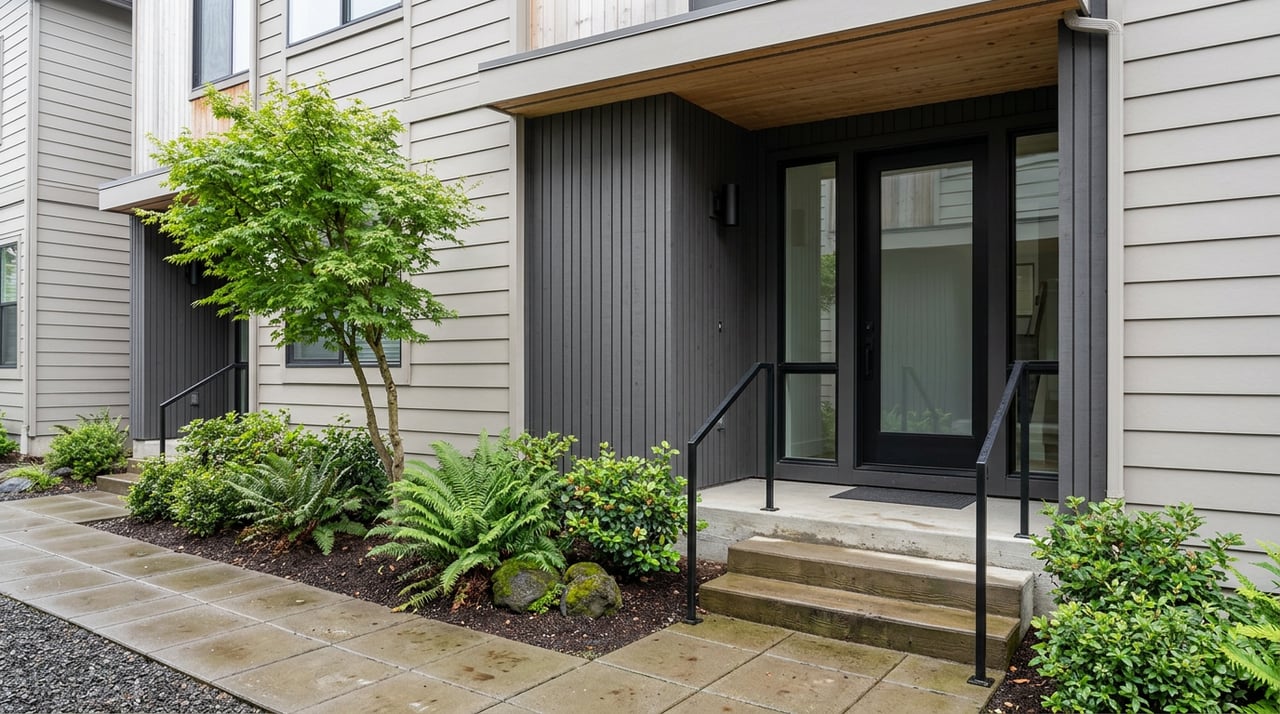
You want less yard work, more living space, and a commute that does not eat your day. If that sounds like your wish list, a Mill Creek townhome could be the sweet spot. You still get bedrooms, storage, and a garage, plus walkable amenities and better transit options than you might expect. In this guide, you will see how townhome living fits a busy Eastside or Seattle routine, what to expect for size and HOA costs, how pricing compares, and the key checks to protect your purchase. Let’s dive in.
Why Mill Creek works for commuters
Mill Creek sits between Seattle, the Eastside, and Everett, with quick access to SR 527, I‑405, and I‑5. The American Community Survey shows a mean travel time to work for Mill Creek residents in the low to mid 30 minutes, which gives you a realistic baseline. Actual time varies by time of day and route, so the best plan is to build in flexibility. Many buyers combine driving with rail or express bus to improve reliability.
Drive routes and reliability
Your main corridors are SR 527 south to I‑405 for the Eastside, or connectors to I‑5 for Seattle and Everett. Peak periods can slow sharply on I‑405, especially near the Bothell and Totem Lake segments. The Washington State Department of Transportation documents recurring congestion and how express lanes can improve reliability for some trips. You can review I‑405 trends in the WSDOT Corridor Capacity Report for added context at the time you are shopping. WSDOT’s corridor capacity reporting explains I‑405 congestion and express-lane impacts.
Rail and bus upgrades you can use
Two recent upgrades make non‑driving commutes more viable:
- Community Transit’s Swift Orange Line launched in 2024, connecting Mill Creek to key hubs like Alderwood and McCollum Park, and feeding Link light rail at Lynnwood. This fast, frequent bus service helps you avoid unpredictable freeway segments. See Community Transit’s Swift Orange Line overview.
- Sound Transit’s Lynnwood Link extension opened August 30, 2024, creating a high-frequency 1 Line transfer at Lynnwood City Center. For many riders, the pattern is Swift Orange to Lynnwood, then Link to Seattle or a short transfer to the Eastside. Read Sound Transit’s Lynnwood Link service announcement.
Together, these upgrades give you a consistent bus‑to‑rail option if you prefer not to drive daily.
What townhome living looks like in Mill Creek
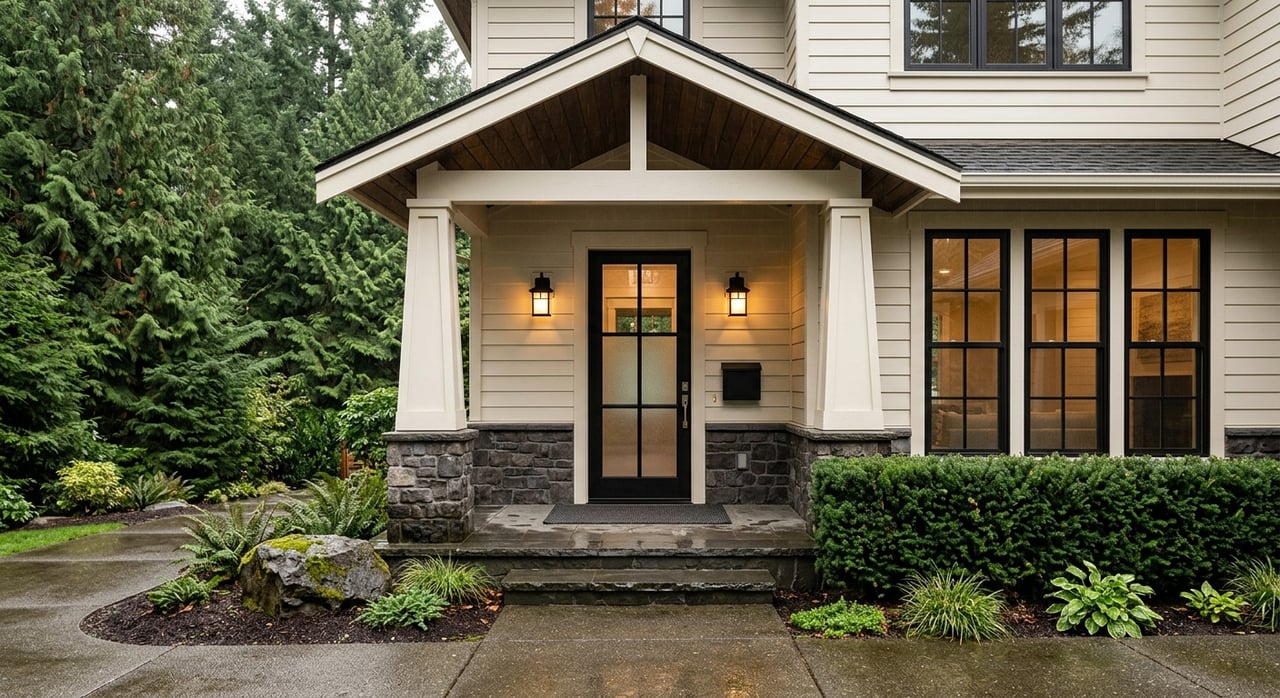
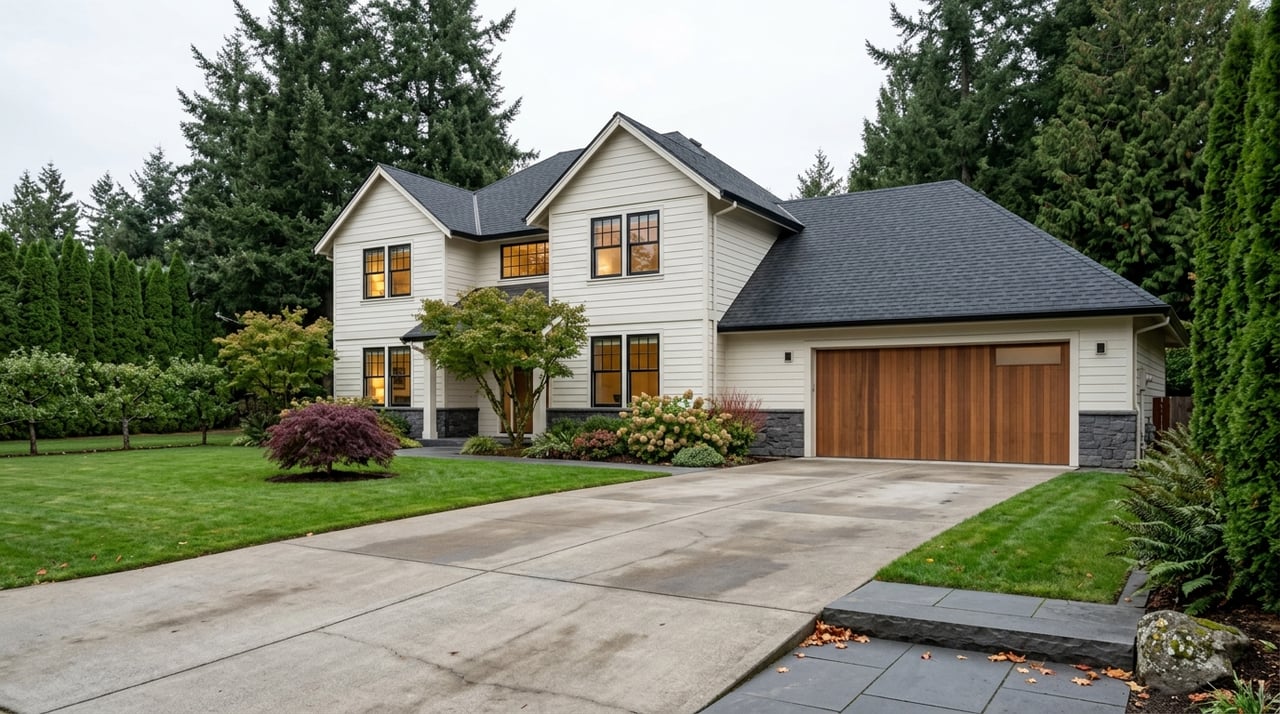
Townhomes here tend to offer space like a smaller single‑family home, without the weekend yard workload. Many communities sit near the Mill Creek Town Center, which adds daily convenience with dining, services, and trails. If you like a coffee-to-commute routine and walkable errands, this setup fits well. Learn more about the Mill Creek Town Center’s setting and recognition.
Typical sizes and layouts
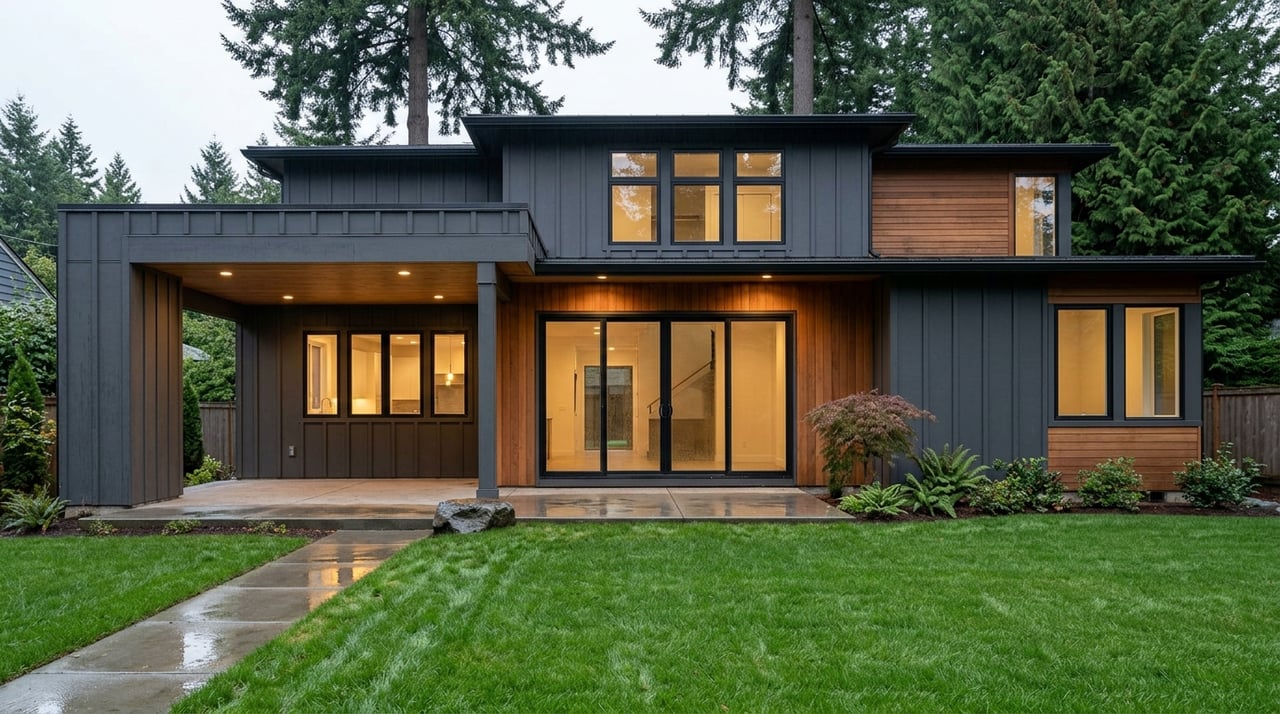
Most Mill Creek townhomes and townhome‑style condos fall between about 1,000 and 2,000 square feet. You will commonly find 2 to 4 bedrooms, 1.5 to 3 or more baths, and attached garages, often with small patios. Larger units sometimes include two‑car or tandem garages that store gear in addition to a vehicle. If you are moving from a one‑level condo, these layouts often add a true second or third bedroom and better storage.
HOA fees and what they cover
Monthly dues vary widely by the legal structure and amenities. Lighter, fee‑simple townhome plats may run under $50 per month and focus on common‑area landscaping or road maintenance. Project‑style condominiums with clubhouses, pools, or more robust exterior coverage can range roughly from $250 to $700 or more. Always check what dues include, such as landscaping, exterior maintenance, water, sewer, trash, earthquake insurance, or reserve contributions.
Low‑maintenance SFR alternatives
If you want a detached home with limited yard work, Mill Creek and the Town Center area also include small‑lot and cottage‑style single‑family options. These neighborhoods aim to keep maintenance modest while preserving privacy and a traditional home feel. They are a smart alternative if you prefer no shared walls but still want a compact footprint and walkable amenities. The Town Center’s planning and recognition support this compact, amenity‑rich environment.
Budget and price context
What the data says
High demand keeps Mill Creek in the upper tier of Snohomish County pricing. Public data providers show different figures because they use different methods. As of early 2026, sources commonly place Mill Creek’s typical home value context in a band around the high $700Ks to mid $900Ks, with one widely used report showing a city median sale price near the low $800Ks and others reporting higher home‑value measures. When you compare areas, use the same provider and time frame, or ask for an NWMLS snapshot so you are working from apples‑to‑apples data. NWMLS’s February 2026 recaps give regional median and inventory context.
Inventory trends also matter. NWMLS reporting for February 2026 shows inventory increasing into spring across the region, which can influence how quickly new listings go pending and how you negotiate. This is helpful if you want more choice or hope to avoid intense bidding. Explore NWMLS’s February 2026 market snapshot for broader trend context.
Townhome pricing spread
City‑level, townhome‑only medians are not always published in a consistent way. In practice, you will see a wide spread for townhomes from the low $400Ks to the high $800Ks depending on size, age, location, and whether the property is a condominium project. Newer or larger models with two‑car garages tend to sit at the higher end. In 98012, new‑construction activity has been a meaningful part of the mix in recent years, which often sets the top of the range. NWMLS highlights where new construction is concentrated in the region.
Buyer due diligence for townhomes
A little homework up front can save you from surprise costs later. Use this quick checklist as you evaluate properties.
Know the legal structure
Confirm whether the home is a fee‑simple townhome in a plat or part of a condominium project. The answer affects your insurance, exterior maintenance responsibilities, and which loan programs will work. Your agent and lender can help you spot key terms in the title report and listing notes.
Review the resale packet early
Washington law requires associations to provide a resale certificate or disclosure packet, often within 10 days of request. Buyers typically receive time to review and can rescind within a statutory window after delivery if something is not acceptable. Ask for the packet as early as possible so you can read the budget, reserve study summary, insurance, meeting minutes, and any notices about special assessments. See Washington’s legislative bill report for background on HOA/condo disclosure rules.
Financing checks for FHA and VA
If you plan to use FHA or VA financing and the property is legally a condominium, the lender will review the project for eligibility. Items like owner‑occupancy ratio, reserves, and pending litigation can matter. Fee‑simple townhomes that are not condos often underwrite more like detached homes, which can simplify things. Discuss the property type with your lender early so you know which approvals are needed.
Interpreting HOA dues
If dues look low for the age and amenities, ask how major repairs are funded and review the reserve study. If dues are higher, confirm what is included, such as water, sewer, trash, earthquake coverage, or exterior siding and roof. Understanding the tradeoffs helps you compare apples to apples across different communities.
Mill Creek vs Bothell vs Lynnwood
Price and product positioning
Based on widely used public snapshots from early 2026, Bothell’s median sale price often trends higher than Mill Creek’s, while Lynnwood’s tends to be lower. Because each provider slices geography differently, the cleanest comparison is a same‑period NWMLS report, ideally filtered to your property type. The 98012 zip overlaps jurisdictions, which is another reason to rely on one consistent data set when you compare.
Which location fits your commute
- Mill Creek townhomes deliver a balance of interior space and lower yard maintenance, often near Town Center amenities and within the Everett School District. School assignments vary by address, so confirm with the district.
- Bothell can offer proximity advantages for North King County and Eastside employers, along with a steady pipeline of new projects.
- Lynnwood provides larger transit investments around the new Link station and a wider mix of higher‑density options, which can help with budget flexibility.
Your best fit depends on which corridor you travel most, how often you will use Link light rail, and whether you want a walkable Town Center environment.
How we help you move fast, without rushing
You keep a full schedule, so your search should be focused and efficient. We combine on‑the‑ground local knowledge with real‑time MLS reporting, then line up the properties that actually match your commute and maintenance goals. When you are ready to sell a current home, our listing program pairs premium marketing with hands‑on prep to help you present at the top of the market. If you are considering a Mill Creek townhome or a low‑maintenance single‑family alternative, let’s map your commute options, compare HOA structures, and get clear on pricing with current NWMLS data.
If you are ready to start, reach out to FIRST AND MAIN to book an appointment.
FAQs
Are Mill Creek townhomes practical for Eastside and Seattle commutes?
- Yes. You can drive via SR 527 to I‑405 or I‑5, or pair Community Transit’s Swift Orange with Link light rail at Lynnwood for a reliable bus‑to‑rail option. Swift Orange details and Lynnwood Link service info can help you plan.
What do HOA fees usually cover in Mill Creek townhome communities?
- Fees can be minimal for fee‑simple plats that cover shared landscaping and roads, or higher for condominium projects with exterior maintenance, utilities, clubhouse amenities, and insurance. Always review the resale packet and budget to see exactly what is included.
How do townhomes and condos differ for financing?
- If the home is legally a condominium, many lenders review the project for factors like reserves and owner‑occupancy when using FHA or VA loans. Fee‑simple townhomes that are not condos often underwrite like single‑family homes. Confirm the legal structure and talk with your lender early.
What price range should I expect for Mill Creek townhomes?
- City‑level townhome medians are not uniform across public sources, but recent examples span from the low $400Ks to the high $800Ks depending on size, age, location, amenities, and legal structure. Ask for an NWMLS townhome‑only report for the latest snapshot.
How is the Mill Creek market trending right now?
- As of February 2026, NWMLS reporting shows inventory increasing regionally heading into spring, which can provide more options and influence negotiations. Check the latest NWMLS market snapshot for up‑to‑date context.