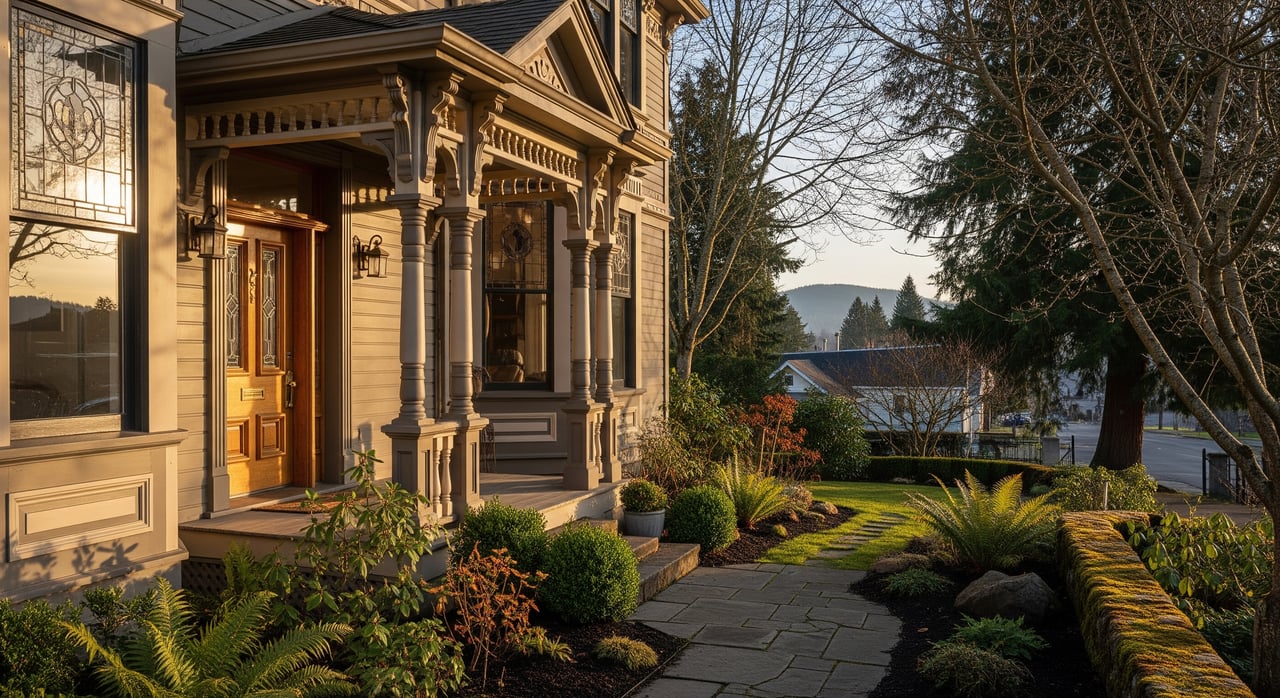
Thinking about selling a century-old Craftsman or a storybook Victorian in Snohomish? You know the charm is undeniable, but you also know buyers may worry about maintenance, energy costs, and the unknowns that come with age. With the right prep, you can protect your home’s authenticity and still check the boxes today’s buyers care about. This guide walks you through what to do, what to avoid, and how to present your home so it shines in Snohomish’s historic-minded market. Let’s dive in.
Know your home’s status
Snohomish is known for a well-preserved downtown and many late 19th and early 20th century homes. That neighborhood character is part of your value proposition, so you want to understand the rules that may apply before you make changes.
- Confirm if your property sits in a local historic district or has a landmark designation. Exterior alterations in regulated areas can require design review and permits. Timelines can add weeks, so check early with City of Snohomish planning and historic preservation staff.
- Washington sellers must disclose known material defects. Gather inspection reports, permits, and maintenance records so you can disclose confidently.
- Check insurability. Older systems and historic features can impact coverage. Ask insurers who understand older structures and local exposures.
- For background on preservation standards and best practices, explore the National Park Service’s guidance through Technical Preservation Services. The site’s resources can help you plan compatible repairs and upgrades in line with preservation principles. You can review them on the National Park Service Technical Preservation Services page.
Start with safety and structure
Buyers will fall in love with charm, but they still need confidence in the bones. In the Snohomish and greater Puget Sound climate, moisture and rot are common in older homes, so focus first on items that affect safety, structure, and financing.
- Schedule a comprehensive pre-listing inspection with someone experienced in older properties. Follow up with specialty inspections where needed, such as wood-destroying organisms, chimney and flue, electrical safety, and a sewer scope.
- Look closely at the roof, foundation, porches, and window sills. Address active leaks, poor flashing, and clogged gutters to stop moisture intrusion.
- Evaluate electrical and plumbing. Older knob-and-tube wiring, overloaded panels, and galvanized or cast-iron lines can be flagged by buyers and underwriters.
- Be prepared for potential lead-based paint in pre-1978 homes. Review safe work practices and seller obligations using the Environmental Protection Agency’s lead information for homeowners.
Common Snohomish surprises to uncover early
- Hidden rot from roof leaks or poor drainage near foundations
- Unpermitted additions or layout changes without documentation
- Inadequate or unsafe wiring and lack of GFCIs
- Aging mechanicals that are inefficient or near failure
- Uncertified woodstoves or chimneys needing repair
Repair, conserve, and make smart upgrades
Preservation-minded buyers value original fabric. When practical, repair instead of replace, especially for character-defining elements.
- Windows and trim. If repairable, restore original wood windows and add interior storm panels for efficiency. If replacement is unavoidable, choose profiles and materials sympathetic to the original, and confirm local review requirements first. For repair guidance, the National Park Service’s Technical Preservation Services provide helpful best practices.
- Energy efficiency. Favor minimally invasive fixes: attic insulation, weatherstripping, foundation and basement improvements, and right-sized mechanicals. Storm windows or interior secondary glazing can be effective without removing historic fabric.
- Prioritize reversibility. Choose upgrades that can be undone without damage when possible. This approach protects value and avoids issues with design review.
Stage for character, not trend
Your staging should reveal the architecture, not hide it. Keep the look timeless and livable so buyers can picture themselves at home.
- Make original features the star. Highlight moldings, built-ins, fireplaces, staircases, and wood floors. Use appropriately scaled furniture so rooms feel spacious and functional.
- Choose a warm, neutral palette that complements wood tones and historic trim. Avoid stark whites that can read cold or out of character.
- Layer lighting. Keep safe, working historic fixtures in place and add lamps or discreet supplemental lighting to brighten spaces.
- Keep it reversible. Favor surface-level updates and décor that do not disturb historic materials.
Photograph and tell the story
Your marketing should showcase both the home and its context. The right visuals and narrative help buyers understand the lifestyle and the stewardship they are taking on.
- Capture the details. In addition to wide shots, include close-ups of hardware, mantels, banisters, and stained glass. Twilight exteriors can bring out warmth and charm.
- Show the setting. Include the streetscape, mature trees, porches, and proximity to historic downtown when appropriate.
- Provide a floor plan and room dimensions. Buyers of older homes want to understand flow and potential future improvements.
- Create a short walkthrough video or narrated tour that covers provenance, unique features, and any recent professional repairs or upgrades. Keep the narrative factual. Do not claim National Register status unless documented. For general preservation context and homeowner-friendly tips, the National Trust for Historic Preservation offers helpful resources.
Plan for financing and buyer confidence
One way to widen your buyer pool is to anticipate financing concerns and provide clear solutions.
- Renovation-inclusive mortgages. Some buyers may use products that combine purchase and renovation into one loan. Options can include FHA 203(k), Fannie Mae HomeStyle Renovation, and Freddie Mac CHOICERenovation. For FHA details, see the U.S. Department of Housing and Urban Development’s FHA 203(k) program overview.
- Preservation incentives. Federal Historic Rehabilitation Tax Credits primarily benefit income-producing historic properties. Owner-occupied single-family homes generally do not qualify. Learn more on the National Park Service’s tax incentives overview.
- Insurance and disclosures. Older homes can carry higher premiums or require specific riders for historic features. Be transparent about known issues, provide documentation, and follow Washington disclosure rules.
Your pre-listing checklist
- Confirm any historic district or landmark status with City of Snohomish staff.
- Order a comprehensive pre-listing inspection and any needed specialty inspections.
- Address safety, structural, and moisture issues first.
- Obtain bids for recommended repairs and prioritize by safety, insurability, and curb appeal.
- Repair and conserve character features when feasible. Document the work with dates, permits, and contractor information.
- Deep clean and declutter. Keep period-appropriate accents while removing personal items.
- Stage to highlight architecture and livability without over-modernizing.
- Hire a photographer experienced with historic homes and assemble a narrative packet with maintenance records, permits, and a floor plan.
- Prepare disclosures and compile documentation like surveys, inspection reports, and appliance manuals.
- Set pricing with an agent who understands the buyer pool for character homes.
Build your A-team
Selling a historic or character home takes a coordinated group that respects the house and the market.
- A listing agent experienced with older homes and local dynamics in Snohomish and the Eastside
- A pre-listing inspector who knows historic systems, with referrals to specialists
- A preservation consultant or architect if you are weighing complex repairs or design review questions
- Contractors skilled in historic repair, from window restoration to foundation work
- A stager and photographer who can showcase character without making the home feel dated
- A lender who understands renovation mortgages and underwrites older homes
As a boutique brokerage based in historic downtown Snohomish, we build this team around you. Our premium storytelling approach includes magazine-quality photography, emotionally driven video, and public relations that put your home’s character front and center. If you want to complete prep projects without upfront cash, our ELEVATE pay-at-close solution can fund staging and improvements that align with preservation best practices. Ready to map your plan and timeline? Connect with the local team at FIRST AND MAIN.
Helpful resources
- For repair methods and compatible upgrades, explore the National Park Service’s Technical Preservation Services.
- For homeowner-friendly preservation insights and tips, visit the National Trust for Historic Preservation.
- For Washington state-level inventories and contacts, consult the Washington State Department of Archaeology and Historic Preservation.
- For lead-safe renovation and disclosure information, see the Environmental Protection Agency’s lead resources.
- For FHA renovation loan details, review HUD’s FHA 203(k) program page.
- For federal tax incentive basics for income-producing historic properties, see the National Park Service’s tax incentives overview.
FAQs
What should Snohomish sellers of historic homes do first?
- Start with a pre-listing inspection, confirm any historic designation with the city, and address safety, structural, and moisture issues before cosmetic work.
How can I boost energy efficiency without harming character?
- Add attic insulation, weatherstripping, foundation and basement improvements, and storm windows or interior secondary glazing that leave original windows intact.
Do historic rules limit my exterior changes in Snohomish?
- If your home is in a local district or is a landmark, exterior work may require design review and permits, which can add time and conditions, so check with city preservation staff before starting.
What financing can help buyers who plan renovations?
- Renovation-inclusive loans like FHA 203(k), and programs from Fannie Mae and Freddie Mac, can combine purchase and renovation into one loan, subject to lender approval and property condition.
Are there tax credits for restoring my single-family home?
- Federal Historic Rehabilitation Tax Credits primarily apply to income-producing properties, not most owner-occupied homes; verify options with state and local preservation offices.